

thekeylab5308
About thekeylab5308
Understanding Car Ignition Replacement: A Comprehensive Guide
Car ignition systems are critical components that ensure the engine starts and operates smoothly. Over time, wear and tear can impair their functionality, necessitating an ignition replacement. This article provides insightful information about car ignition replacement, covering types of ignition systems, signs of failure, the replacement process, and answers to frequently asked questions.
Types of Ignition Systems
Before diving into the replacement process, it’s important to understand the different types of ignition systems that vehicles may utilize:
| Ignition System Type | Description |
|---|---|
| Conventional Ignition | Uses a mechanical distributor and is older technology common in older vehicles. |
| Distributor-less Ignition | Eliminates the mechanical distributor and uses individual coils for each cylinder. |
| Coil-on-Plug (COP) | Each spark plug has its own coil, improving efficiency and performance. |
| Electronic Ignition | Utilizes electronic components to control the timing of the spark. |
Signs of Ignition System Failure
Detecting ignition system problems early can save time and money. Here are some key symptoms that may indicate an ignition system issue:
- Engine Cranks but Won’t Start: If the engine engages but fails to fire, the ignition system could be at fault.
- Poor Fuel Efficiency: An inefficient ignition system can lead to increased fuel consumption.
- Rough Idling: A malfunctioning ignition system can cause rough or unstable idling.
- Check Engine Light: A lit check engine light can indicate several issues, including ignition system problems.
- Engine Misfires: A failure to ignite the air-fuel mixture in the cylinders can lead to misfires.
- Difficulty starting the engine: If the engine takes longer than usual to start or requires multiple attempts, the ignition system might be failing.
The Ignition Replacement Process
When a car owner decides that the ignition system requires replacement, it’s crucial to understand the steps involved. Although the process may vary depending on the type of ignition system, the following is a general outline of the replacement procedure:
Tools and Materials Needed
- New ignition components (spark plugs, coils, ignition module, etc.)
- Ratchet and socket set
- Screwdrivers
- Wrenches
- Torque wrench
- Safety glasses
- Work gloves
Steps for Ignition Replacement
-
Diagnostic Assessment
- Perform a diagnostic check to confirm that the ignition system is indeed the problem.
-
Gathering Tools
- Collect all necessary tools and safety equipment before beginning the replacement process.
-
Disconnect the Battery
- Disconnect the negative terminal of the battery to prevent accidental electrical discharge.
-
Access the Ignition Components

- Depending on the vehicle design, this may involve removing engine covers or other components.
-
Remove Old Parts
- Carefully remove the old ignition components such as spark plugs, coils, or the distributor cap.
-
Install New Components
- Install new ignition components by following the manufacturer’s instructions. Ensure all connections are secure.
-
Reconnect the Battery
- Once the installation is complete, reconnect the battery and ensure everything is in place.
-
Test the System
- Start the engine to test the new system. Listen for any irregular noises and check for efficiency.
-
Inspect for Codes
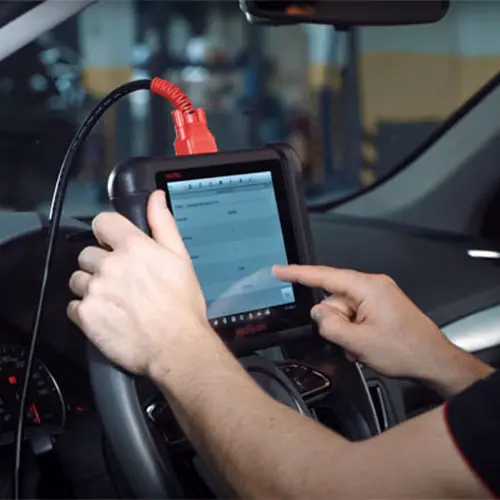
- Use a diagnostic scanner to check for any error codes that might need addressing.
Maintenance Tips for Ignition Systems
To prolong the life of the ignition system, consider following these maintenance tips:
- Regular Inspections: Perform routine checks of the ignition components and connections.
- Replace Worn Parts: Replace spark plugs and coils at the recommended intervals.
- Keep Engine Clean: Remove dirt and debris around the ignition area.
- Use Quality Parts: Always opt for high-quality replacement parts to ensure longevity and performance.
FAQs about Car Ignition Replacement
1. How much does it cost to replace an ignition system?
The cost for ignition system replacement varies widely based on the make and model of the vehicle, the type of ignition system, and labor costs. On average, it can range from £300 to £1,000.
2. Can I replace the ignition system myself?
While some experienced DIYers may attempt the replacement, it’s recommended to consult a professional mechanic, especially for complex systems like coil-on-plug.
3. How long does it take to replace an ignition system?
Generally, the replacement can take anywhere from 1 to 3 hours, depending on vehicle type and technician experience.
4. What happens if I don’t replace a failing ignition system?
Neglecting a failing ignition system can lead to further engine damage, decreased fuel efficiency, and potential breakdowns.
5. How often should I replace spark plugs?
Most manufacturers recommend replacing spark plugs every 30,000 to 100,000 miles, depending on the type of plugs and vehicle specifications.
Maintaining a reliable ignition system is crucial for ensuring the proper function of a vehicle’s engine. By recognizing signs of failure and understanding the replacement process, car owners can take proactive steps to avoid more serious problems down the road. Regular maintenance and timely replacements will help to keep the ignition system running efficiently, ultimately enhancing vehicle performance and reliability.
No listing found.